
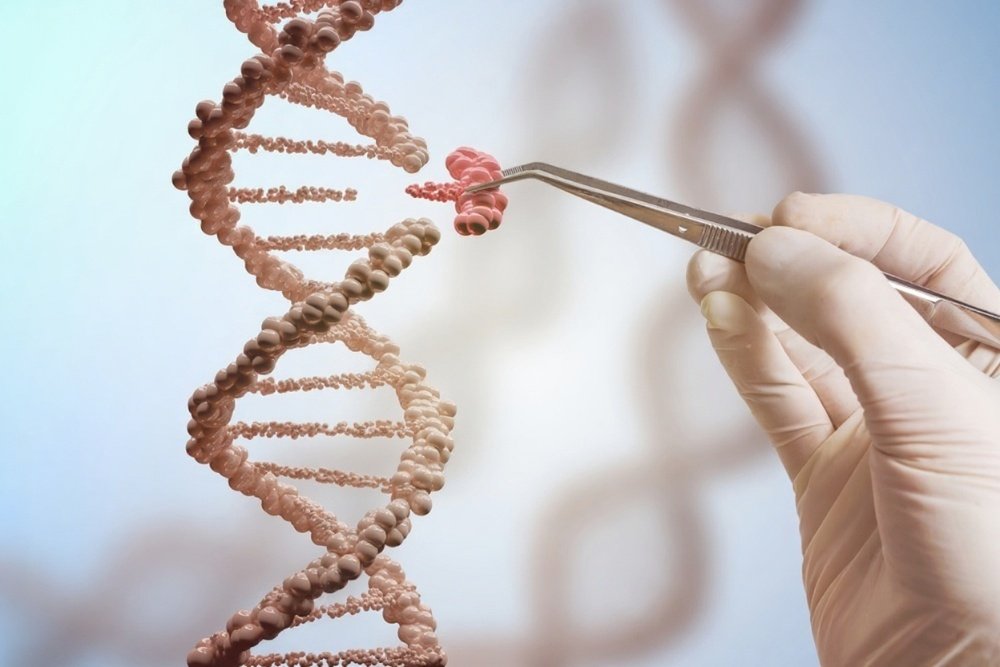
What is Gene Therapy?
Gene therapy is a technique in which a healthy person’s gene is introduced into the host body to treat, cure, or prevent diseases by modifying a person’s genetic material (DNA or RNA).
Gene therapy involves placing normal genes into a patient’s cells so that genetic diseases arising from missing or faulty genes can be corrected. Since it may be possible to address the underlying problem, there is hope that there may be long-term or perhaps permanent cures. Unlike conventional treatments that manage symptoms, gene therapy targets the root cause of a disorder, the faulty or missing genes, by:
- Replacing a mutated gene with a healthy one
- Inactivating or “turning off” a harmful gene
- Introducing a new gene to help the body fight disease
Gene therapy has transitioned from theory to clinical reality, with several FDA-approved treatments now available, and hundreds more in clinical trials.
Why is Gene Therapy Important?
Many diseases — especially genetic disorders — have no cure because the problem lies at the DNA level. Gene therapy opens the possibility of permanently correcting these errors.
Gene therapy is important because it renews hope for millions of patients, globally, with previously untreatable medical conditions, now perhaps possible to treat and heal the source of the disease. Gene therapy will one day enable many treatments of chronic disease, cancer, and inherited diseases that can be treated at the genetic source to improve health, quality of life, and cures in medicine.
- Treats the cause, not just the symptoms.
- Potential for one-time cures.
- Used in rare diseases, cancer, and chronic illnesses.
How Does Gene Therapy Work?
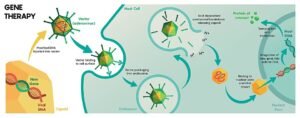
Gene therapy operates by modifying or substituting defective genes inside the cells of a person with a view to treating or preventing disease. In a DNA unit, the DNA in every cell of the body contains genes that provide blueprints for the complexion of the body. Faulty genes can lead to a disease or abnormal behavior of cells. Gene therapy tries to solve this issue by transferring normal genes into the defective cells.
Scientists use special carriers (vectors) to transfer the new gene. These vectors are often modified viruses that can deliver genes safely into cells without causing disease. Once the normal gene product is inside certain cells, the gene begins making the correct protein that the defective gene failed to make. In some instances, gene therapy will “turn off” defective and harmful genes or add new ones to create a therapeutic effect for the body to fight disease.
Gene therapy typically works by:
- Replacing a mutated gene with a healthy copy
- Inactivating (silencing) a malfunctioning gene
- Introducing a new gene or a modified gene to help fight disease
This is done using a delivery system called a vector, most commonly modified viruses that can insert genetic material into human cells.
Types of Gene Therapy
1. Somatic Gene Therapy
- Targets non-reproductive (body) cells
- Changes are not passed to offspring
- They are used in treating diseases like cancer, cystic fibrosis, or hemophilia
2. Germline Gene Therapy
- Targets egg or sperm cells
- Changes are inherited by future generations
- Ethically controversial and banned in many countries
Vectors: The Delivery Tools
Gene therapy relies on vectors to carry the therapeutic gene into cells. Common types include:
| Vector Type | How It Works |
|---|---|
| Adenovirus | Inserts DNA but doesn’t integrate into the genome |
| Retrovirus | Integrates DNA into the host genome permanently |
| Lentivirus (HIV-based) | Can deliver genes into non-dividing cells |
| CRISPR-Cas9 | Directly edits DNA at precise locations |
| Liposomes/Nanoparticles | Non-viral alternatives that carry DNA into cells |

Diseases Targeted by Gene Therapy
Gene therapy has shown promise in treating:
- Inherited disorders (e.g., SCID, hemophilia, muscular dystrophy)
- Cancer (e.g., CAR T-cell therapy for leukemia)
- Viral infections (e.g., HIV)
- Eye diseases (e.g., Leber congenital amaurosis)
- Blood disorders (e.g., sickle cell anemia, β-thalassemia)
The Future of Gene Therapy
The field is advancing rapidly with technologies like:
- CRISPR-Cas9 for precise gene editing
- Personalized gene therapies tailored to individual genomes
- Safer viral and non-viral delivery systems
- Affordable gene therapy through synthetic biology
Gene therapy may one day be used routinely to treat not just rare diseases, but also common conditions like diabetes, Alzheimer’s, and heart disease.
Conclusion:
Gene therapy is more than just science fiction — it’s becoming a medical reality. As our understanding of genetics deepens, gene therapy offers the potential to rewrite the story of disease by editing the most fundamental script of all: our DNA.
While challenges remain, the possibilities are endless. With careful science, strong ethics, and global cooperation, gene therapy may transform how we treat — and even cure — disease in the 21st century


