

Definition.
Cystitis is an inflammation of the urinary bladder. Most often caused by a bacterial infection. It is most commonly caused by a urinary tract infection (UTI), usually due to bacteria such as Escherichia coli (E. coli). It commonly occurs in women due to their shorter urethra.
Cystitis refers to an infection in the urinary tract that mainly occurs when bacteria inflame the bladder lining, although it can also result from irritation or a medical condition in the bladder or urinary tract. It is classified as one of the most common types of urinary tract infections (UTIs), with women frequently being afflicted with this infection due to their shorter urethra, which allows bacteria to enter and cause an infection more easily.
Causes.
- Bacterial infection, mostly by Escherichia coli.
- Poor hygiene or urinary tract obstruction.
- Frequent use of catheters.
- Weak immune system or diabetes.
- Chronic conditions, e.g., interstitial cystitis (non-infectious bladder inflammation).
- Chemical cystitis is caused by certain chemotherapy drugs.
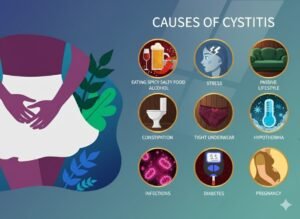
In other cases of cystitis, there may be no infection, but more of an irritant can come from the medication prescribed for treatment, radiation therapy, and chemical exposure from some types of soaps or hygiene products. It is also considered that some people are more prone to bacteriuria and cystitis (for example, those with diabetes, impaired immune systems, and urinary tract obstruction). In general, cystitis tends to develop colonization of harmful agents when the tissues disrupt normal bladder defense mechanisms.
Risk Factors.
There are many risk factors that increase the likelihood of developing cystitis. It seems that women are more susceptible due to the fact that they have a shorter urethra. Sexual activity, pregnancy, and menopause add to that risk because they can change the conditions of the bladder or urethra. Inappropriate hygiene, use of urinary catheters, and recurrent development due to recurrent urinary tract infections are the most critical aspects of developing cystitis. Medical conditions like diabetes and kidney stones, as well as impaired immune systems and medications, can also make it easier to get. Not to mention, radiation therapy to the bladder, certain medications, and chemical irritants (including some foods in some people) can produce bladder inflammation.
- Being female due to a shorter urethra.
- Sexual activity can introduce bacteria.
- Pregnancy increases susceptibility.
- Men with prostate enlargement are also at risk.
- Weakened immune system.
- Menopause.
- Use of catheters.
Symptoms.
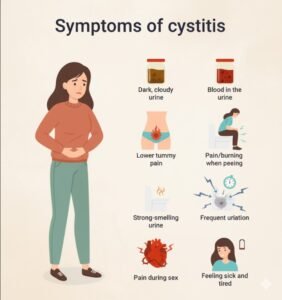
The most observed manifestation of cystitis is a strong and continuous urge to urinate that yields very little of an actual urine void. In other words, patients experience pain or burning with urination, and pain or discomfort in the lower abdomen or pelvis. Urine may be cloudy, dark, or have an abnormal odor, and may even bleed. A small number of patients may also have low-grade fever, fatigue, or malaise. In moderate to severe cases, languishing or untreated, the conditions and symptoms may worsen and eventually become a kidney infection.
- Frequent urge to urinate.
- Burning sensation during urination.
- Cloudy, dark, or strong-smelling urine.
- Lower abdominal pain or pelvic discomfort.
- Low-grade fever in some cases.
- Sometimes blood in the urine (hematuria).
- Passing small amounts of urine frequently.
Diagnosis.
Diagnosing cystitis involves a combination of medical history, physical examination, and laboratory tests to confirm the cause (infectious or non-infectious). A urine culture may be requested to identify the actual type of bacteria. Imaging, such as an ultrasound or CT scan, may be performed if stones, blockage of the urinary tract, or recurrent infections are suspected. If there are issues that are chronic and persistent, or the infection is severe, a cystoscope may be passed to actually visualize the lining of the bladder.
- Urine analysis to detect bacteria and white blood cells.
- Urine culture to identify specific bacteria.
- Cystoscopy may be done in recurrent cases.
Treatment.
The treatment of cystitis depends on whether it is caused by a bacterial infection or by non-infectious factors (like irritation, radiation, or interstitial cystitis). Doctors will advise patients to drink plenty of fluids to help flush the bacteria from the bladder. In recurrent cystitis, the doctor may suggest a long-term low-dose antibiotic regimen and/or possible lifestyle changes to prevent many recurrent UTIs. Non-infectious cystitis is treated differently and may contain some special advice, like avoiding irritants and possibly using medications that are specific to the bladder.
- Antibiotics are the main treatment.
- Pain relievers to reduce discomfort.
- Increased fluid intake to flush bacteria.
- Avoid bladder irritants like caffeine and alcohol.
Prevention.
Preventing cystitis involves healthy habits and behaviors that reduce the risk of infection. Drinking fluids in amounts adequate to flush bacteria from the bladder and urinary tract, good hygiene practices, such as always wiping from front-to-back, making sure contaminated fingers do not transfer bacteria from your genital area and urethra, urinating shortly after sexual activity, and avoiding irritating products, such as soaps and bubble baths, tight clothing, or clothing or products that block airflow to your bladder area, all help prevent the introduction of pathogens into your bladder, and cystitis.
- Maintain good personal hygiene.
- Drink plenty of fluids daily.
- Urinate after sexual intercourse.
- Avoid prolonged use of urinary catheters.

Complications.
Cystitis can have significant consequences when left untreated. The infection can intensify from the urine in the bladder to the kidney, creating what can lead to either nephritis (kidney infection) or pyelonephritis. When this occurs, patients may develop a high fever, severe pain in their back, and/or potential irreversible kidney damage. Cystitis that has recurred or has become chronic can have effects that weaken the bladder wall, making the bladder function less efficiently. In some instances, long-standing inflammatory damage may heighten the potential for urine in hematuria, concerning urination, or the formation of scarring in the urinary tract. Severe infections can also become septic and affect the bloodstream. Sepsis is a very serious complication.
- Recurrent infections if untreated.
- Kidney infection (pyelonephritis).
- Blood in urine (hematuria).
- Sepsis in severe cases.
Conclusion.
- Cystitis is the most common disease, especially in females, but treatable condition.
- Early diagnosis and treatment prevent complications.
- Lifestyle changes help reduce recurrence.
- Change your daily routine and avoid bad habits.


