
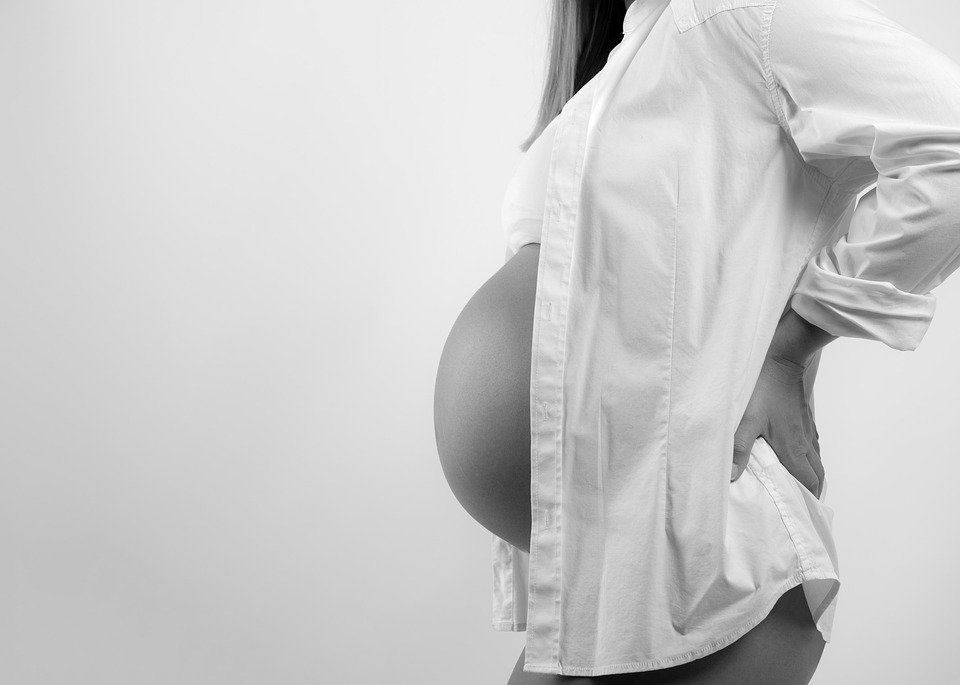
Pregnancy is a biological process in which a fertilized egg develops into a baby. During development, several changes occur. Pregnancy occurs in the female body. A fertilized egg (ovum) implants in the uterine wall and grows in this place. Pregnancy consists of nine months, around 40 weeks.
Pregnancy is usually divided into three trimesters, and the baby develops month by month. Several changes occur during these stages. Every stage has a different development and period; the baby continues to change its structure. The Mother feels different changes during pregnancy. This pregnancy consists of nine months, and here we discuss them.
Month One.


- Uterus enlarges, lining thickens
- Menstration stop
- The baby begins with the spine, the intestines, the heart, and the lungs
- The amniotic sac forms
- The size is a Poppy seed
Month Two.
- The uterus is the size of a tennis ball

© 2025 GetScienceMe – Original image. All rights reserved. 
© 2025 GetScienceMe – Original image. All rights reserved. - Amniotic fluid fills the sac
- The umbilical cord forms
- Baby begins to grow tooth buds alongside eyes, ears, and other facial features
- Fingerprints and genitals begin to form
- The size is a Raspberry
Month Three.

- The uterus is the size of a grapefruit
- Placenta completely formed
- Baby grows fingers and toes
- Baby can now show primitive facial expressions, such as a smile or a frown
- The size is plum
Month Four.

- Baby is now 5 – 6 inches in length
- Baby fingernails and toenails begin to grow in
- Mom may experience an increase in hunger or food cravings
- Mom may experience breast tenderness
- The size is an Avocado
Month Five.


- The amniotic sac now holds 2 – 3 pints of fluid
- Baby may now experience hiccups
- Baby’s hair and eyelashes begin to grow in
- Mom may experience leg cramps alongside pelvic joint pain
- The size is a Banana
Month Six.


- The breast may begin to secrete colostrum
- Baby can now hear sounds
- Baby’s skin becomes coated with vernix, a pasty protective coating
- Meconium is collected in the baby’s bowels
- The size is an Ear of Com
Month Seven.

- The baby begins to form body fat
- Baby can now respond to sounds
- Baby can grip objects
- Mom may experience heartburn or an upset stomach
- Mom may begin to have difficulty sleeping
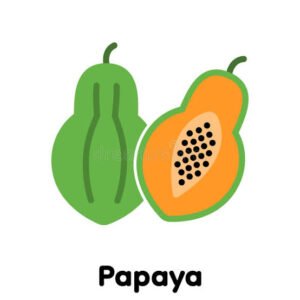
- The size is Popaya
Month Eight.

- Baby has a regular sleep/ wake cycle
- Baby’s bones are now soft and flexible
- The baby may begin to move into the birth position
- The baby may have abdominal itching
- Mom may begin to struggle with some hemorrhoids
- The size is Popaya
Month Nine.


- Baby’s lungs mature
- The placenta is between 6 – 8 inches
- The Cervix begins to ripen and efface ( soften and thin)
- Braxton-Hicks contractions may increase in frequency
- The size is Wtermelon
Birth Month
The pregnancy birth month is the name given to the month that you and your baby are expected to deliver your infant, and it will typically be around nine months (or approximately 40 weeks) from conception.
- Your birth month is 2 weeks before and 2 weeks after the due date your doctor gives you.
- Remember, it’s important to go the full 40 weeks, as important development occurs during this time.
- Birth months can differ depending on breast cycle length, ovulation time, and maternal health

The birth month can also impact many factors, including the child’s zodiac sign, the seasonal climate, and, in some cases, health conditions in early childhood, depending on the climate or the mother’s ability to eat nutritious food. For example, a child born between the spring and summer may get more exposure to daylight in early childhood, whereas if a child is born in the winter months, they will have more exposure to cooler environments.


